
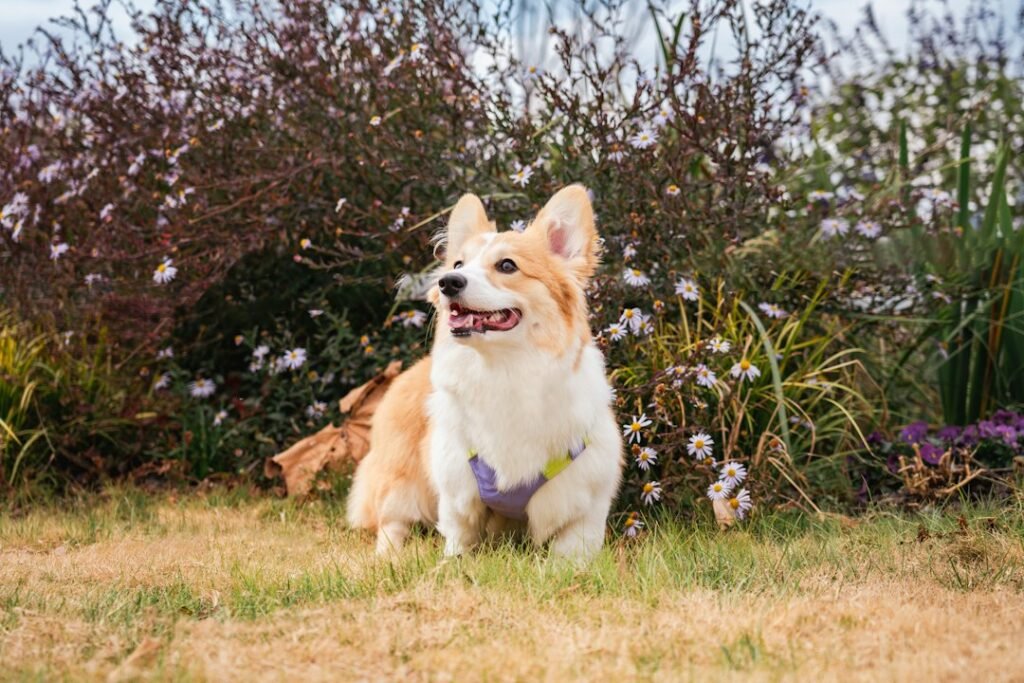
Puppies need daily movement, but their exercise should match their age, breed, health, and developing coordination. A young puppy usually does best with several short play and exploration sessions rather than one long, demanding workout. Understanding how much exercise a puppy needs can help prevent boredom while avoiding unnecessary strain on growing joints.
How Much Exercise Does a Puppy Need Each Day?
There is no single exercise duration that suits every puppy. A tiny companion breed, a high-energy herding breed, and a large-breed puppy have different needs. Start with short, self-paced activity and ask your veterinarian for guidance based on your puppy’s age, body condition, breed, and health.
Think in terms of several brief sessions spread across the day. Include gentle play, sniffing, short training games, and opportunities to explore safe surroundings. Puppies also need substantial sleep and quiet time to recover.
Choose Exercise That Is Gentle on Growing Puppies
- Sniffing walks: Let your puppy explore a safe area at their own pace. A short sniff walk can provide mental enrichment without focusing on distance.
- Gentle play: Use soft toys for brief games, allowing pauses and keeping movements controlled.
- Training games: Practise name response, recall, sit, and hand targeting in short, reward-based sessions.
- Food puzzles: Use age-appropriate enrichment toys to encourage calm problem-solving.
- Free movement: In a secure, non-slip area, allow the puppy to move, pause, and choose whether to play.
Exercise by Puppy Development Stage
8 to 12 Weeks
Keep activity very short and low pressure. Focus on gentle play, indoor exploration, brief training, and safe outdoor experiences approved by your veterinarian. Avoid forced walks, repetitive jumping, and long outings.
3 to 6 Months
Gradually expand sniff walks and play as your puppy gains confidence and coordination. Use soft surfaces where practical, provide breaks, and avoid repetitive high-impact games such as jumping for a ball.
6 to 12 Months and Beyond
Build activity gradually, taking account of your puppy’s size and maturity. Large and giant breeds may take longer to reach skeletal maturity. Ask your veterinarian when it is appropriate to introduce running beside a bicycle, sustained jogging, agility jumps, or other strenuous exercise.
Signs Your Puppy Has Had Enough Exercise
Stop the activity and offer water and rest if your puppy slows down, sits or lies down repeatedly, lags behind, seems less coordinated, pants heavily, or loses interest. Limping, stiffness, reluctance to move, or unusual tiredness that persists deserves veterinary advice. Do not encourage a tired puppy to keep going.
Can a Puppy Get Too Much Exercise?
Yes. Long forced walks, repeated stair climbing, high jumps, hard-surface running, and intense fetch sessions can be unsuitable for developing puppies. Avoid exercising in extreme heat or cold, and never use exercise as punishment. Let the puppy rest whenever needed.
A Sample Balanced Puppy Day
- Morning: toilet break, a short sniff-and-explore session, breakfast, and rest.
- Midday: gentle play, a few minutes of reward-based training, food enrichment, and a nap.
- Afternoon: another brief, age-appropriate outing or indoor exploration, followed by quiet time.
- Evening: calm play, a short training refresher, toilet break, and a settled bedtime routine.
This is a flexible routine, not a strict timetable. Adjust it to your puppy’s energy, sleep needs, and veterinary advice.
Exercise and Mental Enrichment Work Together
Physical activity is only one part of a puppy’s daily needs. Learning, sniffing, chewing suitable toys, positive social experiences, and predictable rest periods also help puppies develop. For related guidance, read our articles about puppy socialization, safe toys for puppies, and loose-leash training.
Frequently Asked Questions
Can I take my 8-week-old puppy for a walk?
Ask your veterinarian about vaccination status and local disease risks first. Short, controlled outings or carrying your puppy to observe the world may be appropriate, while dog parks and heavily used dog areas should be avoided until your veterinarian says they are safe.
Is it okay for puppies to run?
Self-directed play in a safe area is different from forced running. Avoid sustained jogging, repetitive fetch, and high-impact activity until your veterinarian confirms your dog is physically mature enough.
Does a tired puppy always need more exercise?
No. Puppies can become overtired or overstimulated. If your puppy is frantic, nippy, or struggling to settle, offer a calm environment and a nap rather than adding more activity.
This article is for general education, not a personalized exercise prescription. Consult your veterinarian about your puppy’s individual needs.