
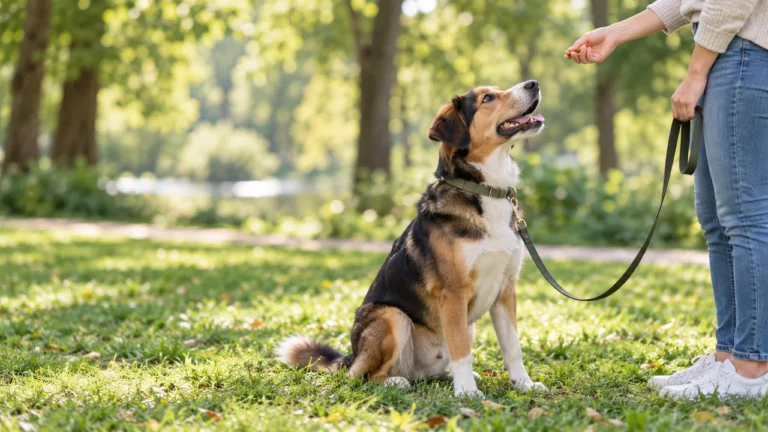
New Puppy Training Guide
A clear, practical starting point for building everyday puppy training habits.
Build useful everyday skills with patient practice, clear cues, and rewards that matter to your dog. Start where your dog can succeed and grow from there.
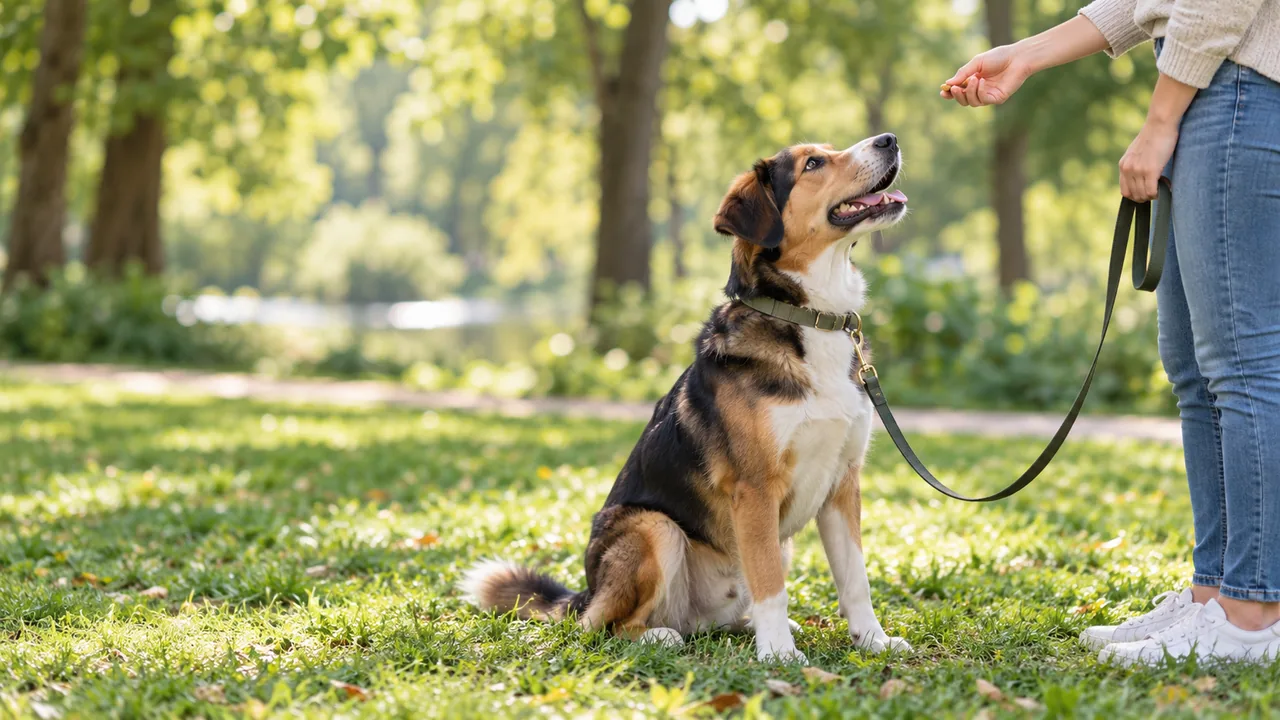
Dogs learn through their experiences. Use short sessions, useful rewards, and consistent household cues.
Mark and reward a behavior you want to see again, then gradually practice in new places and situations.
Read the training basicsBegin in a quiet setting, reward a slack leash and check-ins, and add distractions gradually.
Build relaxed walksMake coming to you rewarding and practice safely before adding distance and distractions.
Practice the come cueSmall, repeatable lessons can make daily routines clearer for dogs and people.
Use supervision, regular toilet opportunities, and timely rewards to teach your dog where to go.
See the puppy routineReward relaxed behavior in a comfortable rest area and make quiet time part of the day.
Plan a daily routineBrowse practical training guides and tools for building a steady practice plan.
Browse training guidesA calm setting, manageable goals, and consistency help you see what your dog is learning.
End while your dog is still engaged, and return to the skill later instead of drilling repetitions.
Review the foundationsAgree on simple words and routines so family members give your dog clear information.
Make a routine planFor fear, aggression, or behavior that risks safety, speak with your veterinarian and a qualified behavior professional.
Read AVSAB guidanceExplore practical downloads for puppy training and everyday skills.
A clear, practical starting point for building everyday puppy training habits.
Explore practical advice from the Dog Wise Experts blog.
Teach loose-leash walking in a quiet place first, reward check-ins, and make distractions easier while your dog learns.
Read articleBuild a stronger dog recall with a fresh cue, generous rewards, easy practice, and safe management around distractions.
Read articleLearn six practical reward-based dog training basics: choose a clear skill, reward useful behavior, keep sessions short and build gradually.
Read articleKeep practice short enough that your dog stays comfortable and engaged. The right duration depends on the dog, the skill, and the environment.
Reduce distractions, increase distance from the trigger, or make the exercise easier. Repeating a cue louder usually does not teach the missing skill.
A qualified, reward-based trainer can help with skills and routines. Ask your veterinarian for guidance when behavior changes suddenly or involves pain, fear, or aggression.
Explore dog training downloads and articles for building better everyday habits.
Browse Training GuidesGeneral educational information only. Choose humane methods and seek qualified help for serious behavior concerns.