
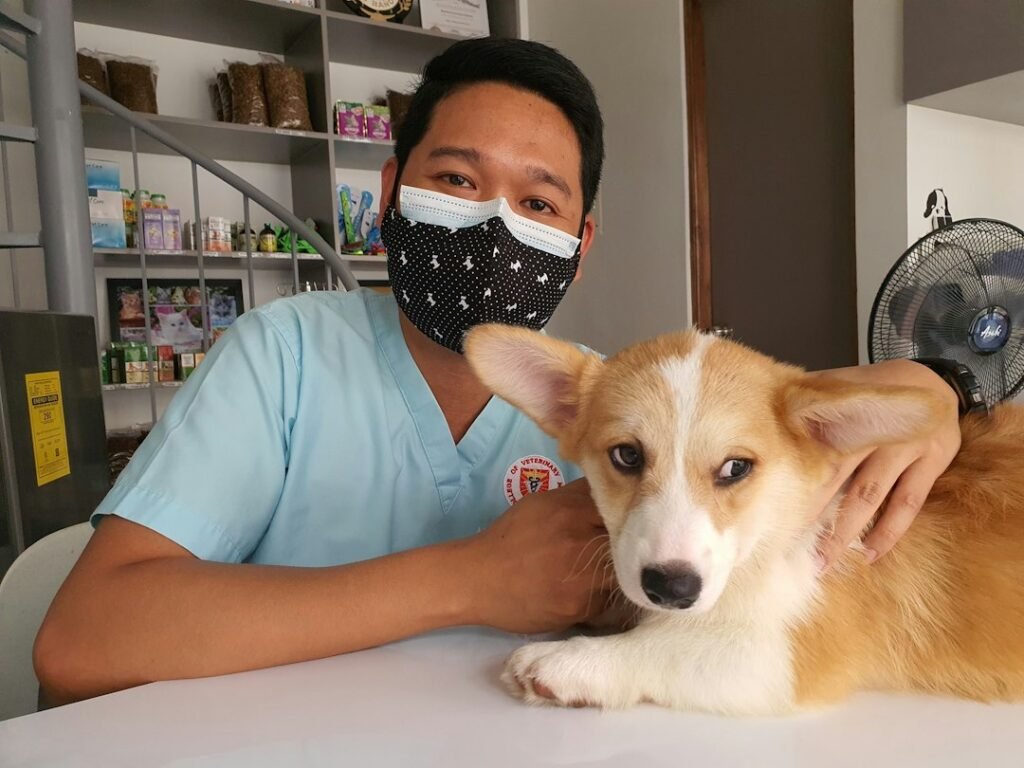
Your puppy’s first veterinary appointment is an important step in building a healthy routine. It gives your veterinarian a chance to review your puppy’s health, discuss preventive care and answer questions before small concerns become bigger problems. A little preparation can also make the visit less stressful for both of you.
When Should a Puppy Have the First Vet Visit?
Arrange an appointment soon after bringing your puppy home, ideally within the first few days. If you adopted from a shelter, breeder or rescue, ask when the puppy was last examined and what follow-up care is due. Do not delay urgent care if your puppy has trouble breathing, repeated vomiting, severe diarrhea, collapse, or seems unusually weak.
What to Bring to the Appointment
- Health and vaccination records: Bring paperwork from the breeder, shelter or rescue, including dates and products used when available.
- Medication details: List any medicines, supplements or parasite treatments your puppy has received.
- Food information: Note the food brand, amount, feeding schedule and any treats.
- Stool sample if requested: Ask the clinic whether it wants a fresh sample for parasite testing and how it should be stored.
- Questions and observations: Write down concerns about appetite, stool, sleep, scratching, behavior or house-training.
- Secure transport: Use a well-fitted carrier or secure car restraint. Keep your puppy away from unfamiliar dogs in shared waiting areas until your veterinarian advises otherwise.
What Happens During the First Puppy Checkup?
The veterinarian will usually ask about your puppy’s history and perform a physical examination. This may include checking the eyes, ears, mouth, skin, coat, heart, lungs, abdomen, joints and overall body condition. The team may discuss a fecal test, vaccination schedule, deworming, flea and tick prevention, heartworm prevention where relevant, and the timing of spaying or neutering.
The exact plan depends on your puppy’s age, health, previous care, lifestyle and local disease risks. Vaccines and parasite-control products should be selected with your veterinarian rather than copied from another dog’s schedule.
Questions to Ask Your Veterinarian
- Which vaccinations are due now, and when are the next doses?
- What parasite prevention is appropriate for my puppy’s age and weight?
- How much should I feed, and how often?
- What is a healthy weight and growth pattern for this puppy?
- When should I schedule the next checkup?
- Which symptoms mean I should call the clinic urgently?
- When can my puppy safely meet other dogs and visit public places?
How to Make the Visit Less Stressful
Let your puppy explore the carrier at home with treats and short, positive practice sessions. Bring a familiar blanket and a few small treats if the clinic says feeding is appropriate. Keep your voice calm, support your puppy securely and reward relaxed behavior. If your puppy is nervous, tell the veterinary team; they can suggest ways to make future visits easier.
After the Appointment
Before leaving, make sure you understand the written care plan, medication instructions and next appointment date. Save the clinic’s contact details and ask whom to call after hours. Follow the veterinarian’s advice about limiting exposure to high-risk areas until your puppy’s vaccination protection is established.
Frequently Asked Questions
Should I take vaccination records to the first vet visit?
Yes. Bring all available records so the veterinarian can determine which vaccinations or follow-up doses are needed.
Can my puppy meet other dogs before finishing vaccinations?
Ask your veterinarian about safe socialization in your area. Avoid high-traffic dog areas and unknown dogs, but do not assume all social experiences must stop; your vet can help you balance infection risk with early social development.
How long does a first puppy appointment take?
Allow extra time for paperwork and questions. The clinic can give you an estimate when you book.
Final Thoughts
A prepared first visit helps establish a useful health baseline and a preventive-care plan tailored to your puppy. Bring records, write down questions and follow the schedule recommended by your veterinary team.
This article is for general educational purposes and is not a substitute for veterinary advice. Contact your veterinarian for recommendations specific to your puppy.