
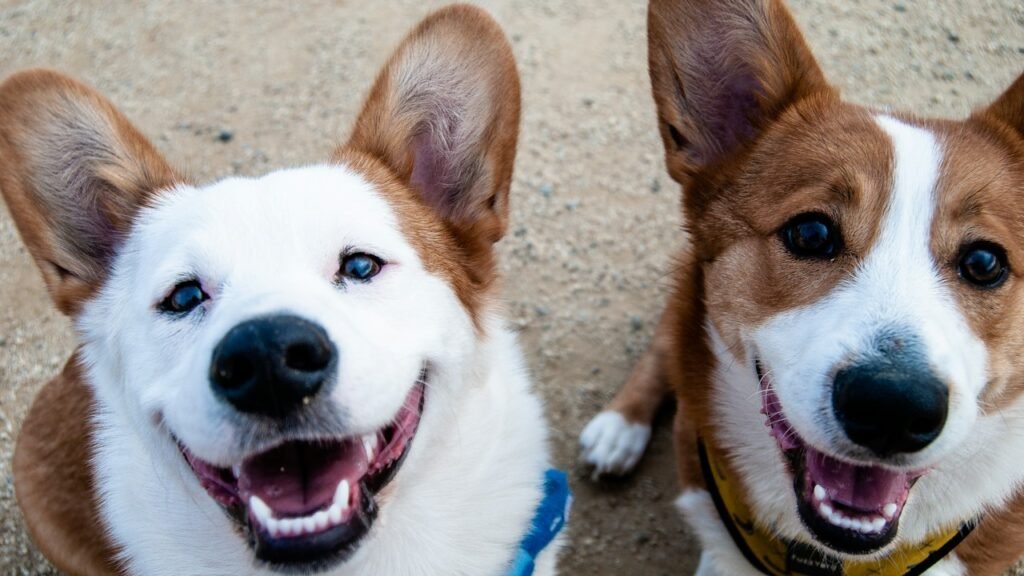
Regular ear care can help you notice irritation, wax buildup and other changes before they become more uncomfortable. Not every dog needs routine ear cleaning, though: healthy ears often need very little attention. The right approach depends on your dog’s ear shape, activity, skin history and veterinary advice.
How Often Should You Clean a Dog’s Ears?
There is no universal cleaning schedule. Some dogs with healthy ears rarely need cleaning, while dogs that swim often or have a history of ear problems may need a veterinarian-recommended routine. Check the ears during normal grooming and clean them only when there is visible debris or your veterinarian has advised it.
What You Need Before You Start
- A veterinary-approved dog ear-cleaning solution
- Soft cotton balls or gauze
- A towel and a few small treats
Do not use cotton swabs deep inside the ear canal. Avoid hydrogen peroxide, alcohol, vinegar mixtures, essential oils and human ear drops unless your veterinarian specifically instructs you to use a product.
How to Clean Your Dog’s Ears Safely
- Choose a calm moment. Let your dog sniff the supplies and reward relaxed behavior.
- Look at the outer ear. Check for redness, swelling, wounds, unusual discharge or a strong odor. If you notice these signs, stop and contact your veterinarian rather than cleaning.
- Follow the cleaner label. If the ear looks healthy and cleaning is appropriate, gently lift the ear flap and apply the amount of veterinary ear cleaner directed on the product label or by your vet.
- Massage the base gently. A soft massage can help loosen debris. Stop if your dog seems painful or distressed.
- Allow your dog to shake. Let loosened material move toward the outer ear.
- Wipe only what you can see. Use cotton or gauze to clean the visible inner flap and opening. Never push anything down the canal.
- Reward and finish. Keep the session short and positive. Repeat on the other ear only if needed.
When Not to Clean at Home
Do not attempt a home cleaning if your dog has a painful ear, marked redness, swelling, bleeding, a bad smell, thick or unusual discharge, repeated head shaking, persistent scratching, a head tilt or balance changes. These can indicate an ear condition that needs examination. A damaged eardrum can make some cleaners unsafe, so a veterinarian should assess concerning symptoms first.
How to Help Keep Ears Healthy
- Check ears during routine brushing and grooming.
- After swimming or bathing, gently dry the visible outer ear; do not insert towels or cotton swabs into the canal.
- Keep hair removal and ear products guided by your veterinarian or groomer.
- Follow the treatment plan if your dog has recurring ear problems.
Frequently Asked Questions
Can I use water to clean my dog’s ears?
Do not pour water into the ear canal. Use only a dog ear product recommended by your veterinarian when cleaning is appropriate.
Can I use baby wipes or human ear drops?
These are not substitutes for a veterinary ear cleaner. Ingredients may irritate the ear or be unsuitable for your dog.
Why does my dog keep shaking their head after a walk?
Occasional shaking can happen, but repeated shaking, scratching, odor or discharge deserves veterinary attention. Check for visible debris without probing the canal.
Final Thoughts
Safe ear care is gentle, occasional and guided by what your dog actually needs. If an ear looks sore or smells unusual, arrange a veterinary check rather than trying to solve the problem with repeated cleaning.
Health disclaimer: This article is general educational information, not a diagnosis or treatment plan. Consult a qualified veterinarian for symptoms, recurring ear problems or advice tailored to your dog.
Further reading: American Kennel Club health guidance and AVMA pet-owner resources.