
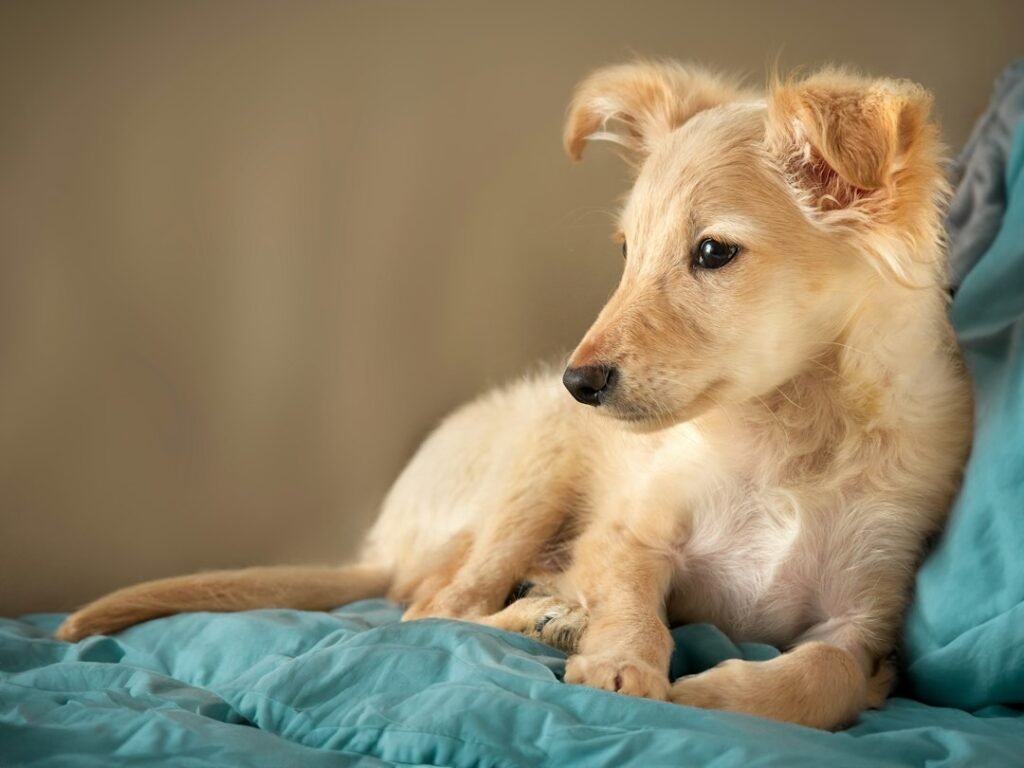
Apartment living does not prevent a puppy from learning good toilet habits. The key is to create a predictable routine, choose one appropriate toilet area, supervise closely, and reward the behaviour you want. Puppies are still developing bladder control, so expect frequent breaks and occasional accidents while they learn.
1. Choose an indoor or outdoor toilet plan
If you can take your puppy outside safely and frequently, choose one consistent outdoor toilet spot. In high-rise buildings or when outdoor access is limited, a designated indoor toilet area may be practical. Use a puppy pad or washable toilet tray in one fixed location rather than moving it around the apartment.
Do not switch repeatedly between pads, balconies, rugs, and random outdoor spots. Consistency makes the cue easier to understand.
2. Build a predictable potty schedule
Take your puppy to the toilet area:
- Immediately after waking up.
- After meals and a big drink.
- After naps and active play.
- Before bedtime.
- Frequently between these events, especially for very young puppies.
Young puppies may need a break every one to two hours while awake, sometimes more often. Adjust the interval to your puppy’s age, size, health, and individual pattern. Do not expect a young puppy to hold it for a full workday.
3. Use one simple toilet cue
Bring your puppy calmly to the chosen spot and say a short cue such as “go potty.” Wait quietly for a few minutes. When your puppy finishes, praise immediately and offer a small treat. Rewarding right after the behaviour helps connect the reward with toileting in the correct place.
4. Supervise closely between breaks
Keep your puppy in the same room, use a safe puppy pen, or keep them near you with a lightweight house line while supervised. Watch for sniffing, circling, wandering away, or suddenly stopping play. These can be signs that a toilet break is needed.
A crate can support a routine when introduced positively and used for appropriate short periods, but it is not a substitute for frequent toilet breaks. See our puppy crate training schedule for a gentle routine.
5. Clean accidents thoroughly
If an accident happens, stay calm. Interrupt only if you catch your puppy in the act, then guide them to the correct spot. Clean the area with an enzymatic pet cleaner according to its label so lingering odours do not encourage repeat accidents. Avoid punishment, shouting, or rubbing your puppy’s nose in the mess; these methods can create fear without teaching the right location.
6. Make apartment toilet training easier
- Keep pads or the toilet tray away from food, water, and sleeping areas.
- Use a non-slip, easy-to-clean surface beneath the toilet area.
- Keep a simple log of meals, naps, toilet trips, and accidents for the first week.
- Ask household members to use the same cue and reward routine.
- Take your puppy outside for safe exposure and toileting when appropriate for vaccination guidance from your veterinarian.
Common potty-training mistakes
Moving the toilet spot frequently, waiting too long between breaks, giving rewards after the puppy has walked away, and punishing accidents can all slow learning. If your puppy has repeated accidents despite a consistent routine, or suddenly starts urinating more often, contact your veterinarian to rule out a medical cause.
Frequently asked questions
Can I potty train a puppy using pads in an apartment?
Yes. Choose one fixed, easy-to-clean area and reward your puppy immediately for using it. If you eventually want outdoor-only toileting, plan a gradual and consistent transition.
How often should I take my puppy to the toilet?
Start with frequent breaks, often every one to two hours while awake for young puppies, plus trips after waking, eating, drinking, and playing. Increase intervals gradually as your puppy becomes reliable.
Should I punish my puppy for accidents?
No. Calmly clean the area and adjust supervision or break frequency. Rewarding the correct behaviour is more effective and helps maintain trust.
When should I call a veterinarian?
Seek veterinary advice for straining, blood in the urine, pain, excessive thirst, sudden changes in toileting, or persistent accidents that do not improve with a consistent routine.
This article is general educational guidance, not a substitute for veterinary advice. Ask your veterinarian about safe outdoor exposure and any health concerns specific to your puppy.