
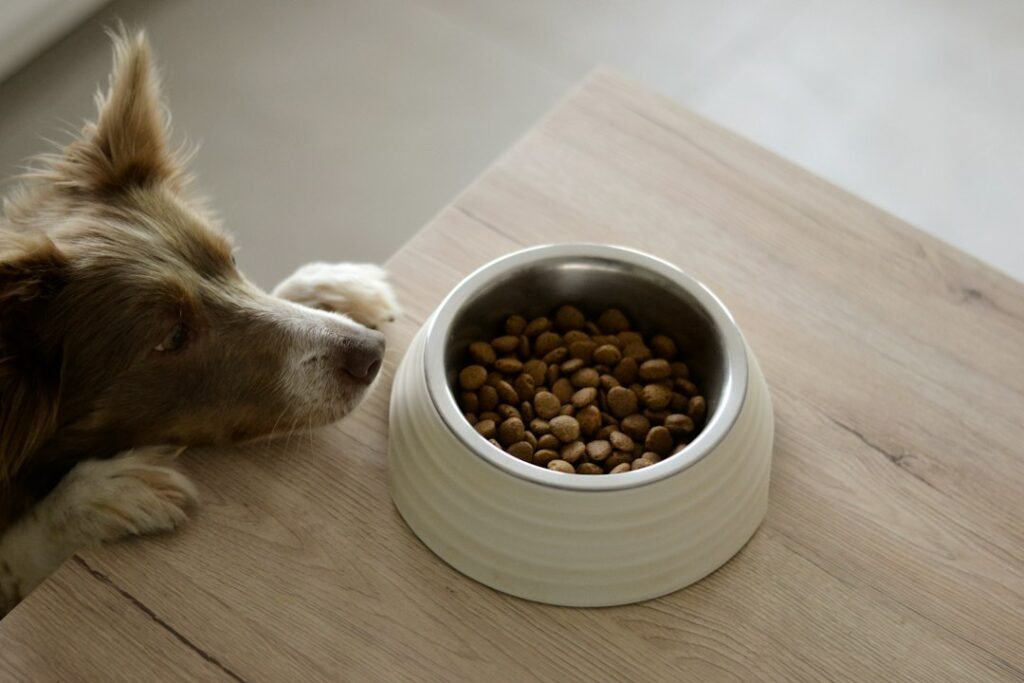
Changing your puppy’s food can be necessary when a breeder’s supply runs out, your veterinarian recommends a different formula, or your puppy moves to a food better suited to their growth stage. The safest approach for most healthy puppies is a gradual transition rather than an overnight switch. A slow change gives your puppy time to adjust and makes it easier to notice whether the new food agrees with them.
This guide explains how to switch puppy food over seven days, what to monitor, and when to ask your veterinarian for a different plan. If your puppy has a medical condition or has been prescribed a therapeutic diet, follow your veterinary team’s instructions instead of using a general schedule.
Why Should You Change Puppy Food Gradually?
A sudden diet change can upset a puppy’s digestive system. You may notice softer stools, diarrhoea, vomiting, or a reduced appetite. Mixing the old and new foods in increasing proportions helps make the change more gradual. The American Kennel Club recommends transitioning to a different puppy food over approximately five to seven days for many puppies.
There is usually no need to change food simply to give your puppy more variety. If your puppy is growing well and eating a complete, balanced food that suits their life stage, ask your veterinarian before switching.
Before You Start: Choose the Right Puppy Food
Check that the new food is labelled as complete and balanced for growth or for the appropriate life stage. Some foods are formulated for specific size groups, so consider your puppy’s expected adult size as well as their current age. Read the feeding instructions, but remember that the recommended amount is a starting point; your veterinarian can help you adjust portions as your puppy grows.
- Choose a food intended for puppies or growth, unless your veterinarian recommends another diet.
- Compare the feeding guide and calorie information rather than matching portions cup for cup.
- Buy enough of the current food to complete the transition, if it is safe and suitable to keep feeding.
- Keep treats, chews, and other parts of the diet consistent while you change the main food.
- Use clean, dry bowls and provide fresh drinking water.
A Simple 7-Day Puppy Food Transition Schedule
For a healthy puppy who is tolerating their current food, this gradual schedule is a practical starting point. The percentages refer to the proportion of the total meal, not to extra food added on top of the usual serving.
| Days | Current food | New food |
|---|---|---|
| Days 1–2 | 75% | 25% |
| Days 3–4 | 50% | 50% |
| Days 5–6 | 25% | 75% |
| Day 7 onward | 0% | 100% |
Measure each food separately and mix them thoroughly so your puppy does not simply eat around the new pieces. Divide the total daily amount into the meals your puppy normally receives. Do not increase the overall quantity just because two foods are being mixed.
How to Monitor Your Puppy During the Change
Pay attention to your puppy’s appetite, energy, water intake, and stool consistency throughout the transition. A simple note on your phone can help you track the day, food ratio, and any changes you notice.
- Stools: Watch for persistent loose stools, diarrhoea, or a marked change from your puppy’s normal pattern.
- Appetite: Notice whether your puppy is eating normally or repeatedly refusing meals.
- Vomiting: Record when it happens and whether it repeats.
- General behaviour: Look for unusual tiredness, discomfort, or changes in drinking.
- Skin and ears: Report ongoing itching, redness, or other new symptoms to your veterinarian rather than assuming the food is the cause.
If mild digestive changes appear, pause at the last food ratio your puppy tolerated and contact your veterinarian for advice. Some puppies need a slower transition over 10 to 14 days or an individually planned diet change. Do not keep pushing ahead if symptoms are worsening.
What If Your Puppy Refuses the New Food?
First, check that the food is fresh, stored correctly, and being offered in the usual feeding place and routine. Mix the new food evenly with the familiar food and avoid adding several new toppers or treats to persuade your puppy to eat; extra ingredients can make it harder to identify what is causing a reaction.
If your puppy repeatedly refuses food, seems unwell, or is very young, contact your veterinarian promptly. Puppies can become unwell more quickly than adult dogs, so do not wait several days to seek advice about ongoing refusal to eat.
When to Contact Your Veterinarian
Ask your veterinarian for a tailored transition plan if your puppy has a sensitive stomach, a known food reaction, a chronic health condition, or needs a prescription diet. Contact a veterinary clinic promptly if vomiting or diarrhoea is repeated, your puppy becomes lethargic, refuses water, has blood in the stool or vomit, or shows signs of dehydration. Seek urgent care for severe or rapidly worsening symptoms.
If the change is being made because the current food has been recalled or may be unsafe, do not continue feeding a potentially affected product just to complete a gradual transition. Follow the recall instructions and ask your veterinarian what to feed instead.
Helpful Puppy Care Guides
A food change is only one part of settling into a healthy routine. If you are preparing for your puppy’s next checkup, use our puppy’s first vet visit checklist to organise records and questions for the veterinarian. You can also build consistent toilet breaks around meals with our guide to a puppy potty training schedule.
Frequently Asked Questions
How long should it take to switch puppy food?
For many healthy puppies, a gradual change over about seven days is a reasonable starting point. Puppies with sensitive digestion or specific medical needs may require a slower, veterinarian-guided transition.
Can I mix two different puppy foods together?
Yes. Mixing measured amounts of the current and new foods is a common way to transition gradually. Make sure both foods are appropriate for your puppy and count the mixture as the complete meal, not an additional serving.
Should I change food if my puppy has soft stools?
Do not keep switching foods in response to every soft stool. Many factors can affect digestion. If the change started during a food transition, pause and ask your veterinarian what to do next, especially if the problem persists or your puppy seems unwell.
Can I switch my puppy’s food in one day?
A sudden switch is not the preferred approach for a routine diet change because it may cause digestive upset. An urgent recall or a veterinary instruction may require a different plan, so follow professional guidance in those situations.
Final Thoughts
To switch puppy food safely, choose a suitable complete diet, introduce it gradually, keep the rest of your puppy’s routine steady, and monitor how they respond. A seven-day plan works as a general guide for many healthy puppies, but your veterinarian should set the pace if your puppy has symptoms or special dietary needs.
This article is for general educational purposes and is not a substitute for advice from your veterinarian.
Further reading: American Kennel Club: How to Safely Change Your Puppy’s Food.