
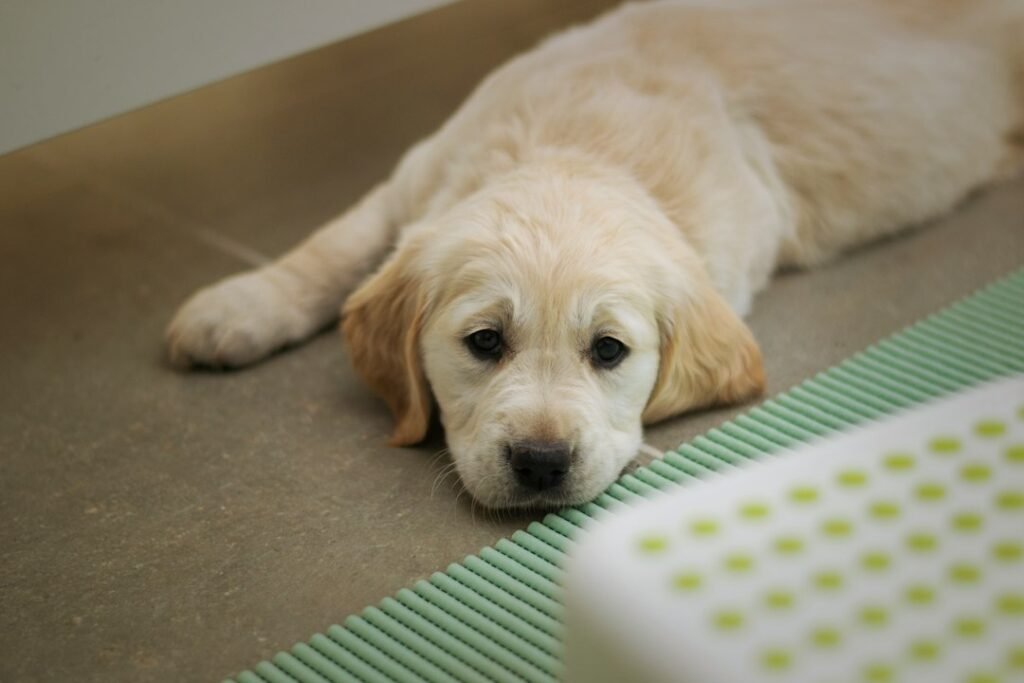
Your puppy’s first veterinary appointment is an important step toward a healthy start. It gives your veterinarian a chance to review your puppy’s history, check their overall condition, and help you plan preventive care. A little preparation can make the visit calmer and help you leave with clear next steps.
When Should a Puppy Have Their First Vet Visit?
Arrange an appointment soon after bringing your puppy home, and follow any timing instructions from your breeder, rescue organization, or veterinarian. If your puppy seems unwell, call the clinic promptly rather than waiting for a routine appointment. Your vet will tailor the schedule for examinations, vaccinations, parasite prevention, and follow-up care to your puppy’s age, history, location, and individual needs.
What to Bring to Your Puppy’s First Vet Appointment
- Health records: Bring vaccination, deworming, microchip, adoption, or breeder records you have. If records are missing, tell the clinic rather than guessing.
- Food details: Note the brand and type of food, approximate portions, feeding times, treats, and any supplements.
- A fresh stool sample, if requested: Ask the clinic how to collect, store, and transport it.
- Your questions: Write down concerns about appetite, sleep, toilet habits, scratching, chewing, behaviour, or anything else you have noticed.
- Safe transport: Use a secure carrier or a properly fitted collar or harness and leash, following the clinic’s advice for a young puppy.
- Comfort items: Bring a small familiar blanket or safe toy and a few suitable treats if your clinic says treats are appropriate.
How to Prepare Your Puppy Before the Visit
Keep the day as relaxed as possible. If time allows, let your puppy explore the carrier at home with praise and treats before the appointment. Take a short, calm practice trip if your puppy is comfortable doing so. Avoid forcing interactions or overwhelming your puppy with too many new experiences at once.
Ask the clinic about its waiting-room procedures. Until your veterinarian advises what is safe for your puppy, carry them or keep them in a secure carrier where appropriate, and avoid letting them approach unfamiliar animals. This is particularly important while your puppy’s vaccination and health history is still being reviewed.
What Happens During the First Puppy Checkup?
The exact examination depends on your puppy’s age and health history, but the veterinarian may:
- Review your puppy’s background, diet, activity, and any symptoms.
- Check weight and body condition and examine the eyes, ears, mouth, skin, coat, paws, and abdomen.
- Listen to the heart and lungs and assess general development.
- Discuss vaccination records, parasite prevention, nutrition, dental care, identification, and future appointments.
- Recommend tests or treatment when appropriate, including a stool test if indicated.
Not every puppy needs every test or vaccine at the same visit. Ask your veterinarian to explain what is recommended for your puppy and why.
Questions Worth Asking Your Veterinarian
- Which vaccines or booster appointments are due, and when?
- What parasite prevention is suitable for my puppy’s age, weight, and local risks?
- How much and how often should I feed my puppy?
- Which signs mean I should call the clinic urgently?
- When should we discuss microchipping, dental care, grooming, and spaying or neutering?
- How can I safely socialise my puppy while following local disease-prevention advice?
Before leaving, confirm the next appointment, any home-care instructions, and whom to contact if you have concerns. If medication or treatment is prescribed, make sure you understand the dose and schedule directly from the veterinary team.
Helping Your Puppy Feel Safer at the Clinic
Use a calm voice, move slowly, and reward relaxed behaviour when possible. Tell the veterinary team if your puppy is frightened, carsick, or uncomfortable being handled so they can adapt the visit. Keep early experiences short and positive where practical; never punish a puppy for being nervous.
At home, consistent routines can help your puppy settle after a busy day. Our guides to how much sleep a puppy needs and a simple puppy potty-training schedule can help you plan rest and toilet breaks. For broader preventive-care guidance, see the VCA Animal Hospitals guide to preparing for a first veterinary visit.
First Vet Visit Checklist
- Book the appointment and ask the clinic what to bring.
- Gather all available medical and adoption records.
- Write down food details, symptoms, and questions.
- Prepare safe transport and any clinic-approved comfort items.
- Ask for a written preventive-care and follow-up plan.
Frequently Asked Questions
Should I bring vaccination records if my puppy has only had one vaccine?
Yes. Bring every record you have, even if the series is incomplete. Your veterinarian can use the documented history to plan appropriate next steps.
Can my puppy meet other dogs in the waiting room?
Do not assume this is safe. Follow the clinic’s instructions and ask how to keep your puppy separated from unfamiliar animals while their vaccination and health status is being assessed.
What if I do not have any medical records?
Tell the clinic when booking and again at the appointment. The veterinarian can assess your puppy and recommend a plan based on the information available.
Disclaimer: This article is for general educational purposes and is not a substitute for veterinary advice. Contact a qualified veterinarian for recommendations tailored to your puppy.