
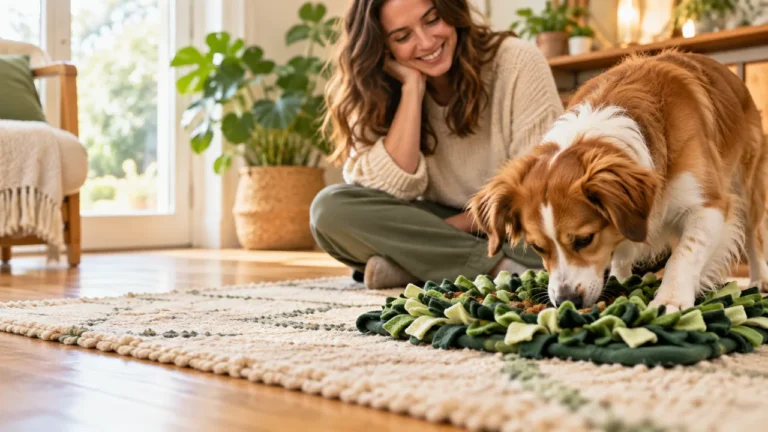
Help Your Dog Feel Comfortable Home Alone
A thoughtful guide to building comfort and confidence around alone time.
Learn to notice patterns, recognize when a dog needs more space, and find thoughtful next steps for common behavior challenges.
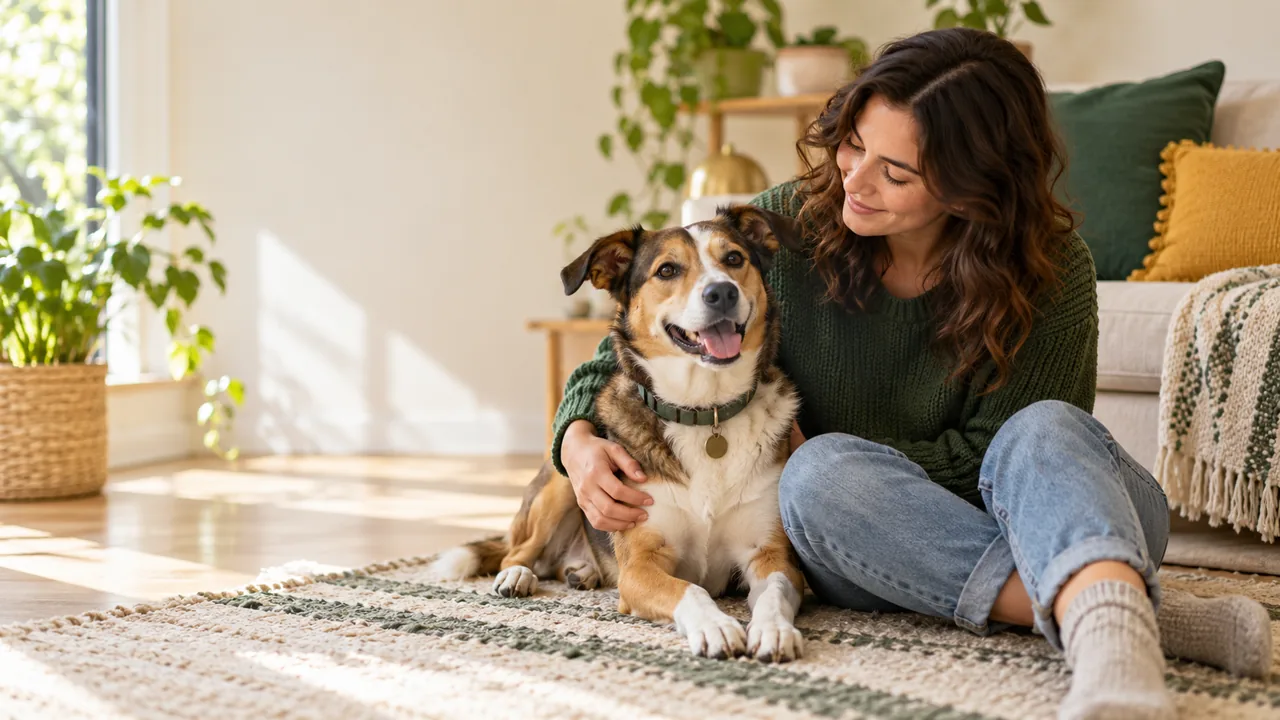
Context matters. Notice what happened before the behavior, what your dog’s body is doing, and what helps them feel safer.
Look for the whole picture—movement, posture, distance, and whether your dog can move away.
Notice stress signalsBarking may have different triggers. Keep a brief log of what happens before and after each episode.
Identify barking triggersObserve how your dog responds when alone and seek help if you see panic or distress.
Explore a gentle planManagement and positive learning can reduce pressure while you work out what your dog needs.
Use distance, gates, and quiet retreat areas so your dog is not forced to stay in a difficult interaction.
Learn about body languageOffer sniffing, choice, rest, and suitable activities as part of a balanced daily routine.
Explore enrichment ideasA veterinarian can check for medical factors and help you find appropriate behavior support.
Explore AVSAB resourcesSudden behavior changes, repeated distress, growling around people, or any bite risk deserve a careful, individualized plan.
Pain and health changes can affect behavior. Share when the change began and any patterns you have observed.
Prepare for a vet visitChoose a qualified professional who prioritizes safety, welfare, and reward-based behavior support.
Read AVSAB position statementsWrite down triggers, distance, body language, and recovery so your support team can understand the context.
Get a routine printablePractical resources for creating calmer routines and supporting your dog at home.
A thoughtful guide to building comfort and confidence around alone time.
Explore practical advice from the Dog Wise Experts blog.
A practical way to identify why your dog barks and choose a calmer, reward-based next step.
Read articleBuild a thoughtful alone-time routine by observing your dog, starting small, and getting professional help when distress appears.
Read articleLearn to notice common dog stress signals, give your dog room, and make everyday greetings safer and calmer.
Read articleBehavior can change with context, distance, sounds, people, other animals, and how safe a dog feels. Observing the setting can reveal useful patterns.
Growling is information that a dog is uncomfortable. Increase distance, prevent unsafe contact, and seek qualified help rather than punishing the warning.
Yes. Pain or illness may affect behavior, so contact your veterinarian when a change is sudden, unusual, or persistent.
Explore practical behavior resources and a guide for building confidence around alone time.
Browse Behavior GuidesDog Wise Experts provides general education, not diagnosis or veterinary treatment. For safety concerns, consult your veterinarian and a qualified behavior professional.